
From The Daily Coach…
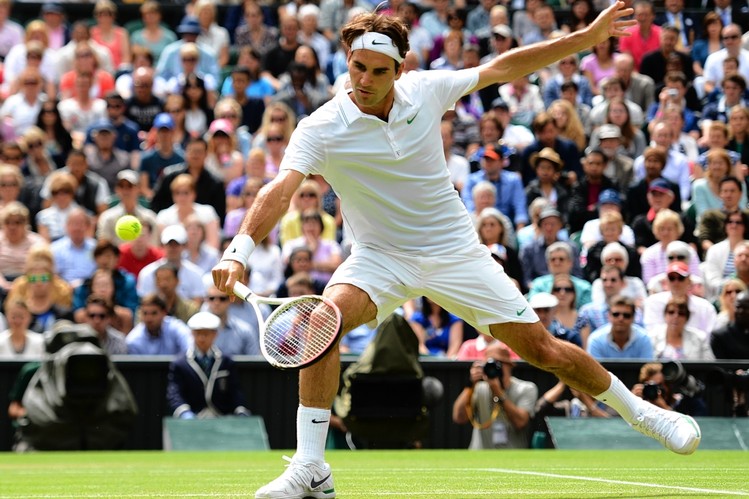
In September 2022, Roger Federer walked off the tennis court for the final time. Tears streamed down his face as he held the hand of his greatest rival, Rafael Nadal.
It wasn’t just the end of a legendary career. It was the closing chapter of one of the most disciplined transformations in sports history—a story of self-leadership and mastery that began not on the court, but within.
To understand that final curtain call—the standing ovation, the tears, the respect—we have to understand Federer’s beginning.
At 8, he cried after nearly every loss. At 10, his coach observed: “He has talent… but no control.”
As a teenager, he smashed rackets, swore at officials, and let his emotions consume him.
He had brilliance. But brilliance without discipline cannot sustain greatness.
The turning point came at 18, when he defeated Pete Sampras at Wimbledon. The world glimpsed his potential. Yet pressure, both internal and external, broke him more often than it built him.
Federer eventually faced a choice: remain a prisoner of his emotions or rebuild himself from the ground up. He chose reinvention—to master his reactions, to cultivate control.
The Stoics remind us: “No individual is free who is not master of themselves.”
Federer’s transformation wasn’t physical. It was mental. He turned passion into poise, disappointment into focus, raw talent into refined mastery.
The result? 20 Grand Slam titles. 310 weeks as world No. 1. Eight Wimbledon championships, an all-time record for men.
But beyond the numbers, Federer became the embodiment of grace under pressure.
Each of us as leaders, coaches, executives, and high performers faces the same fork in the road at some point: Will you let your emotions control you? Or will you learn to control them?
Federer’s journey urges reflection: Where am I still reacting instead of responding? What routine or discipline would give me greater control? How can I turn raw talent, in myself or my team, into consistent greatness?
His story teaches us:
Talent is never enough. Without discipline, it remains potential.
Control creates greatness. Mastery begins not with your opponent, but with yourself.
Reinvention is essential. Federer’s transformation wasn’t about a forehand. It was about a mindset.
Roger Federer didn’t become great just by his talent. He became great because he mastered himself.
Our impact as leaders is not defined by raw talent, but by our ability to master our emotions, sharpen our skills, elevate others, and deliver with consistency when it matters most.
Control and discipline put us in a position to chase excellence and greatness. Mastery of oneself puts us in position to unlock transformation and make breakthroughs possible.
 rusty tugman
Leave a comment